Introduction
Windows play an important function in the energy performance of homes. They not only enable natural light to get in the living spaces however likewise supply ventilation and insulation. Nevertheless, the type of windows and their quality can substantially affect the energy consumption of a home. In this short article, we will explore the various factors that contribute to the energy efficiency of windows, such as doors, windows, and aluminum frames. We will likewise go over how homeowners can make informed choices to enhance their energy efficiency and reduce energy bills.
The Effect of Windows on Energy Effectiveness in Homes
Windows have a direct influence on the energy performance of homes. They can either contribute to heat gain or heat loss, depending upon their quality and style. Here are some ways in which windows impact energy performance:
Window Material: The product utilized for window frames can affect their insulation homes. Aluminum frames, for instance, are known for their poor thermal performance compared to other materials like vinyl or wood. This means that homes with aluminum-framed windows may experience more significant heat transfer, causing greater energy consumption.

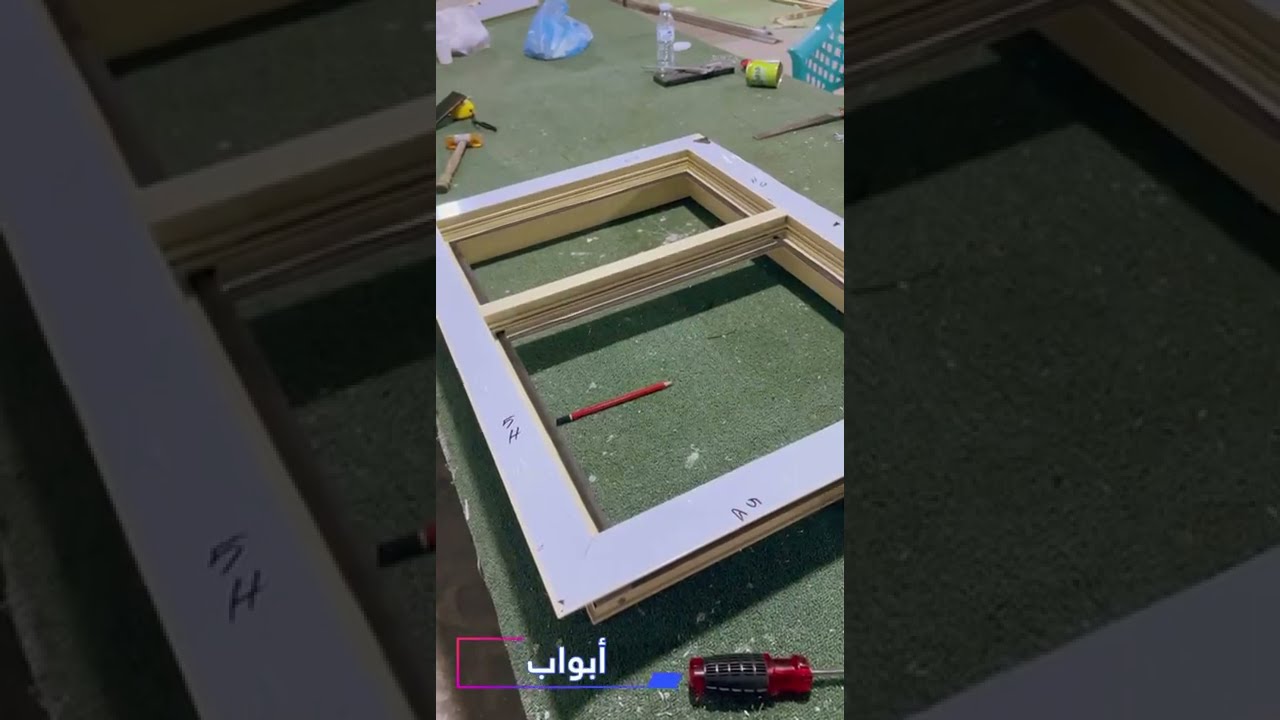
Window Design: The style and building of windows likewise play a crucial function in energy efficiency. Double-glazed or triple-glazed windows offer better insulation by producing an additional layer of air or gas between the panes. This assists in decreasing heat transfer and improving general energy efficiency.
Window Orientation: The direction in which windows face can impact the amount of sunlight entering a home. South-facing windows get more sunshine throughout the day, supplying natural heat throughout colder months. However, extreme sun exposure can result in overheating during summertimes, demanding proper shading techniques.
Window Seals: Appropriate sealing around windows is necessary to avoid air leakage and enhance insulation. Weatherstripping and caulking help seal any spaces or fractures around window frames, reducing drafts and heat loss. Regular upkeep of window seals guarantees optimal energy efficiency.
Window Glazing: The kind of glass used in windows can considerably impact their energy efficiency. Low-emissivity (Low-E) finishings on glass help to show heat back into the room, minimizing heat loss during winter seasons and minimizing heat gain throughout summers. This leads to enhanced energy efficiency and increased comfort.
Window Size and Placement: The size and positioning of windows in a home likewise influence energy efficiency. Big windows may provide ample natural light but can result in excessive heat gain or loss, depending on the climate. Appropriately sizing and positioning windows can help enhance energy use and maintain a comfy indoor environment.
Frequently Asked Concerns (FAQs)
Q1: Can upgrading windows enhance energy efficiency? Yes, upgrading windows can have a considerable influence on energy effectiveness. Setting up double-glazed or triple-glazed windows with Low-E finishings and correct insulation can lower heat transfer, resulting in lower heating and cooling costs.
Q2: How do aluminum frames impact energy efficiency? Aluminum frames are known for their bad thermal efficiency compared to other products like vinyl or wood. They conduct heat more effectively, leading to increased energy consumption. Homeowners with aluminum-framed windows might think about adding thermal breaks or selecting alternative frame materials.
Q3: Is it necessary to replace all windows for improved energy efficiency? It is not always needed to change all windows in a home. Prioritizing the replacement of improperly carrying out windows or those dealing with extreme weather can be a cost-effective method. Carrying out an energy audit or talking to professionals can help identify locations that require instant attention.
Q4: How do window treatments effect energy efficiency? Window treatments such as blinds, drapes, or shades can add to energy efficiency by offering extra insulation and decreasing heat transfer. Closing them throughout hot summertime days or cold winter nights helps keep optimum indoor temperature levels, minimizing the dependence on heating or cooling systems.
Q5: Are there government incentives for energy-efficient windows? Many federal governments use incentives and rebates to motivate homeowners to purchase energy-efficient upgrades, including windows. These rewards can assist balance out the initial expenses of window replacements and make them more affordable.

Q6: How can property owners determine energy-efficient windows? House owners should look for windows with ENERGY STAR certification, which shows that they fulfill stringent energy performance criteria. Furthermore, looking for features such as Low-E finishings, several panes, and correct insulation can assist determine the energy performance of windows.
Conclusion
Windows are an integral part of a home's energy performance. By selecting the right window products, designs, and glazing alternatives, homeowners can considerably minimize their energy usage and energy costs. Routine maintenance and correct sealing likewise add to enhanced energy efficiency. Upgrading windows not only benefits the environment but likewise improves the convenience and worth of a home. With the accessibility of government incentives and ηχομονωτικα κουφωματα αλουμινιου a wide range of energy-efficient options, homeowners have ample chances to make their homes more sustainable and cost-efficient in the long run.